Are Infrared Grills Worth the Investment for Year-Round Cooking?
Share
Are Infrared Grills Worth the Investment for Year-Round Cooking?
As temperatures drop and Black Friday sales approach, many outdoor cooking enthusiasts find themselves contemplating a significant upgrade to their grilling setup. Infrared grill technology has emerged as a premium option that promises restaurant-quality results regardless of season. But with higher price points than conventional grills, the question remains: are these high-tech cooking systems truly worth the investment, especially for those who want to grill year-round?
Infrared vs Traditional Burners: Understanding the Technology
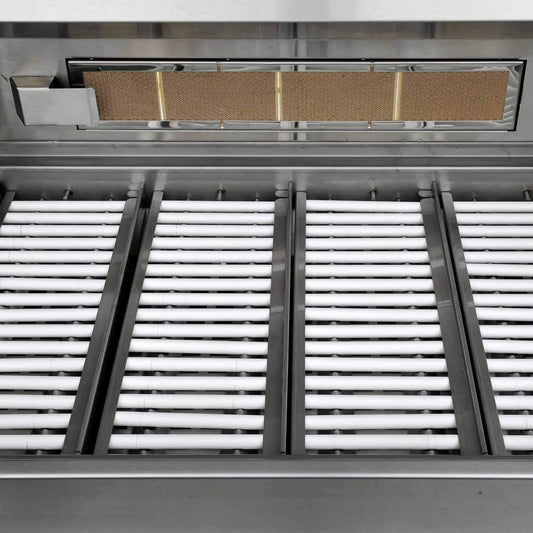
Infrared grills utilize a fundamentally different heating method than conventional gas grills. While traditional grills heat the air that then cooks your food, infrared systems employ a special burner that heats a ceramic, glass, or metal plate. This plate radiates intense infrared heat directly to your food, reaching cooking surface temperatures of 700°F or more with minimal air movement.
This direct heat radiation method delivers several advantages. Most notably, the extreme temperatures create perfect searing capabilities that lock in juices and flavor. The consistent heat distribution eliminates hot and cold spots common with conventional grilling, resulting in evenly cooked food every time.
Searing Temperature Comparison: Why Infrared Dominates
When it comes to creating that perfect restaurant-quality sear on steaks and chops, infrared grills simply outperform traditional options. Standard gas grills typically max out at 450-500°F, while infrared systems can easily exceed 700°F. This temperature range infrared grills provide makes them ideal for achieving steakhouse-quality results with impressive grill marks and caramelization while maintaining juicier meat results inside.
The intense, direct heat also significantly reduces cooking times. A thick steak that might take 12-15 minutes on a conventional grill can be perfectly prepared in 6-8 minutes using infrared technology.
Heat-Up Time Advantages and Energy Efficiency
A major practical benefit of infrared systems is their remarkably short preheat time comparison. Most infrared grills reach cooking temperature in just 3-5 minutes, compared to the 10-15 minutes required by traditional gas grills. This efficiency extends to fuel consumption as well.
The fuel efficiency infrared grills offer can result in 30-50% less gas usage compared to conventional grills. Since infrared systems direct more heat energy to the food rather than heating the surrounding air, energy consumption is significantly reduced over time, potentially offsetting the higher initial investment through long-term savings.
Preventing Infrared Flare-Ups: Safer Grilling Experience
Traditional grills notoriously produce flare-ups when fat drips onto open flames, potentially charring food and creating dangerous situations. Infrared's design inherently provides superior flare-up prevention. The solid infrared element blocks dripping fats from reaching the flame, reducing both safety hazards and the risk of burnt food.
This design feature also contributes to healthier cooking, as it minimizes the creation of potentially harmful compounds that form when fat burns directly in flames—one of several infrared health benefits worth considering.
Infrared Cold Weather Performance: Year-Round Grilling Potential
For dedicated grill enthusiasts who refuse to let winter weather interrupt their outdoor cooking, infrared technology offers substantial advantages. Traditional grills struggle significantly in cold conditions—wind and low temperatures drastically reduce their efficiency and extend cooking times.
Winter Performance Ratings: How Infrared Maintains Consistency
Infrared systems maintain remarkably consistent performance regardless of ambient conditions. Their radiant heating method is far less affected by wind and cold than conventional convection grilling. Winter performance tests show infrared grills maintain 90% or more of their summer efficiency even in sub-freezing temperatures, compared to traditional grills that can lose 50% or more of their effective heat in similar conditions.
For year-round grillers, this consistent performance means no more huddling in the cold waiting for food to cook or dealing with inconsistent results when the weather turns harsh.
Premium Infrared Models: Brand Features Comparison
Lion Premium Infrared Features
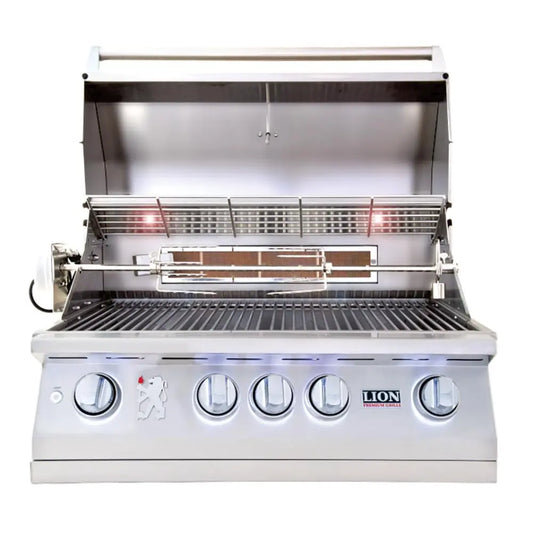
Lion Premium Grills combines traditional burners with an infrared zone in many of their high-end models. Their infrared burner longevity is exceptional, with most units rated for 10+ years of regular use. Their hybrid approach allows for both direct infrared searing and indirect cooking infrared capabilities in a single unit.
Bull BBQ Infrared Options
Bull BBQ's infrared systems feature remarkably even heat distribution and specialized ceramic infrared technology. Their premium models include zone cooking options that let you simultaneously use both infrared and conventional heating methods. Bull's infrared burners are designed for easy access, making infrared maintenance significantly simpler than many competing models.
Infrared Cost-Benefit Analysis: Is It Worth the Investment?
Premium infrared grills typically range from $1,200 to $3,000+, representing a significant price increase over standard models. However, this investment should be evaluated considering several factors:
- Superior cooking results with restaurant-quality searing capabilities
- Fuel efficiency and reduced energy consumption over time
- Extended grilling season with excellent cold weather performance
- Reduced cooking times and faster preheating
- More consistent results with even heat distribution
Budget Infrared Options and Hybrid Grill Systems
For those interested in infrared technology without the premium price tag, several alternatives exist. Budget infrared options starting around $500 provide many of the technology's benefits, though they may lack the durability and features of high-end models.
Hybrid grill systems that combine conventional and infrared burners offer perhaps the best value proposition. These versatile units provide flexibility for different cooking methods while still delivering the intense heat capability for perfect searing when needed.
Cleaning Infrared Burners: Maintenance Considerations
One practical consideration is maintenance requirements. Cleaning infrared burners requires specific techniques to avoid damaging the specialized elements. Most manufacturers recommend a simple "burn-off" method after each use, turning the grill to high for 5-10 minutes to incinerate food residue, followed by gentle brushing once cooled.
While this process differs from traditional grill cleaning, most users find infrared maintenance straightforward once they adapt to the proper techniques.
The Final Verdict: Who Should Invest in Infrared?
Infrared grills represent a worthwhile investment for:
- Serious grilling enthusiasts who prioritize perfect searing and steakhouse-quality results
- Year-round grillers who want consistent performance regardless of weather
- Entertainers who value faster cooking times and more predictable results
- Those willing to make an upfront investment for long-term durability and performance
However, more casual grillers who cook primarily in warm weather and aren't particular about achieving perfect searing may find conventional grills more cost-effective for their needs.
Ready to experience the superior performance of infrared grilling technology? Browse our selection of premium infrared grills from top manufacturers like Lion Premium Grills and Bull BBQ at Mathews BBQ Supply. Our team can help you select the perfect model to match your cooking style and budget for year-round grilling excellence.