Gas vs Pellet Grills: Which is More Cost-Effective for Winter Cooking?
Share
Gas vs Pellet Grills: Which is More Cost-Effective for Winter Cooking?
As winter temperatures drop, many outdoor cooking enthusiasts face a common dilemma: should you continue using your grill despite the cold, and if so, which type will be kinder to your wallet? At Mathews BBQ Supply, we've noticed more customers asking about the economics of winter grilling, particularly comparing gas versus pellet options. This comprehensive guide examines the true cost differences between these popular grill types specifically during colder months.
Winter Fuel Efficiency: The Hidden Cost of Cold Weather Grilling
When temperatures plummet, fuel consumption rates increase significantly as grills work harder to maintain cooking temperatures. This winter efficiency challenge affects gas and pellet grills differently. Gas grills typically use propane or natural gas, while pellet grills burn compressed wood pellets, each with unique thermal properties that influence their cold weather performance.
Premium models like the Weber SmartGrill or Bull BBQ Angus series incorporate advanced technologies to improve heating efficiency and temperature recovery in challenging conditions. These features become particularly valuable during winter months when heat retention becomes a critical factor in both cooking quality and operational costs.
Cost Comparison Methodology: Beyond the Price Tag
To provide a fair assessment, we need to consider several factors:
- Initial purchase price of comparable models
- Fuel costs based on average usage patterns
- BTU ratings and how they translate to real-world performance
- Maintenance requirements and associated expenses
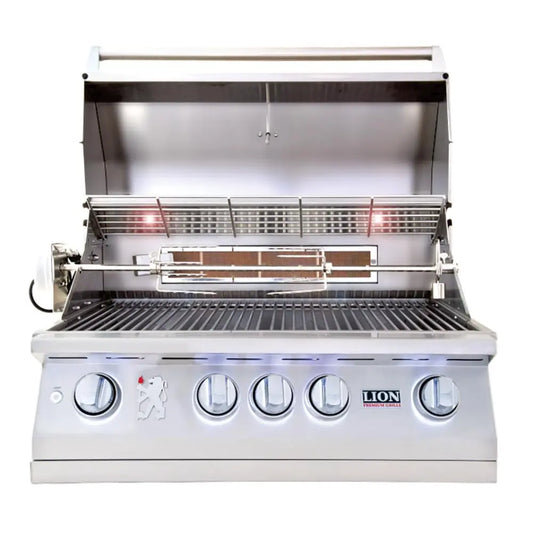
For example, high-quality gas grills from Blaze or Lion Premium Grills offer excellent BTU ratings that help overcome cold air challenges. Meanwhile, premium pellet grills provide consistent heat through automated feeding systems, though their preheating times may be longer in winter conditions.
Initial Investment vs Operating Expense
The startup costs for quality gas grills typically range higher than comparable pellet models, but this isn't always the case when considering premium options. The long-term expenses often tell a different story, especially when factoring in winter-specific operational costs.
Gas grills generally require a higher initial investment in equipment but offer excellent temperature recovery and control. Pellet grills feature more complex mechanical components that may require replacement over time, potentially increasing ownership costs beyond the initial purchase.
Propane Winter Performance: Advantages in the Cold
Propane delivers consistent performance regardless of ambient temperature, making it particularly reliable for winter cooking. Key benefits include:
- Minimal preheating times even in frigid conditions
- Consistent fuel delivery unaffected by moisture
- Immediate temperature adjustments
High-performance gas grills with adequate BTU ratings can rapidly overcome cold ambient temperatures. The propane vs pellets cost comparison tends to favor gas in extremely cold regions, as propane's energy density allows for efficient heat generation even when temperatures drop below freezing.
Pellet Consumption Cold Weather: Understanding the Variables
Pellet grills face unique challenges in winter that affect their economy:
- Increased fuel consumption to maintain temperatures
- Longer startup energy requirements in cold conditions
- Potential moisture issues affecting pellet efficiency
However, modern pellet grills from premium manufacturers have improved their insulation factors significantly. Better-insulated models can reduce pellet consumption by up to 30% in cold weather compared to poorly insulated units, making brand and build quality crucial factors in winter efficiency.
Heat Loss Factors and Insulation Importance
The science behind winter grilling economics often comes down to heat retention. Both grill types lose heat more quickly in cold environments, but their design characteristics determine how efficiently they recover.
Gas grills typically feature less insulation but compensate with higher BTU output. Pellet grills generally offer better insulation but consume more fuel during startup and recovery phases. Thermal blankets and insulating covers can significantly improve the winter performance of both types, making them worthy investments for serious year-round grillers.
Long-Term Ownership Costs: Breaking Down the Numbers
When calculating true costs over several winter seasons, consider:
- Fuel availability in your area affects pricing
- Environmental factors such as average winter temperatures
- Your specific cooking styles and frequency considerations
- Regional price differences for both propane and pellets
For frequent grillers in moderate winter climates, the cost difference between fuels may be negligible compared to the cooking experience preferences. However, in extreme cold regions, gas grills typically maintain temperature stability costs more effectively, requiring less additional fuel to compensate for heat loss.
Regional Considerations: Location Matters
Your geographical location significantly impacts the economics of winter grilling:
- Northern states face higher fuel consumption due to extreme temperature differentials
- Humidity levels affect pellet performance and storage requirements
- Local fuel pricing varies substantially across regions
In areas where winter temperatures rarely drop below freezing, the efficiency differences between grill types narrow considerably. Conversely, in regions with sustained sub-freezing temperatures, the performance gap widens, with gas grills typically maintaining more cost-effective operation.
The Bottom Line: Making Your Winter Grilling Decision
For most winter grillers, the decision comes down to these key considerations:
- Gas grills offer faster heating, better temperature recovery, and more consistent fuel costs
- Pellet grills provide superior flavor, smoke production, and potentially better insulation
- Both benefit significantly from quality construction and proper maintenance
Premium models like those offered at Mathews BBQ Supply are designed with year-round performance in mind. Our selection of high-quality Weber, Bull BBQ, Blaze, and Lion Premium Grills incorporates features that specifically address winter cooking challenges while maintaining fuel efficiency.
The most cost-effective winter grilling solution ultimately depends on your specific cooking patterns, local climate conditions, and personal preferences. For frequent winter grillers in colder climates, the operational efficiency of gas often outweighs the slightly higher flavor benefits of pellets when purely considering economics.
Ready to find the perfect winter-ready grill that balances performance with fuel economy? Browse our selection of premium grills and outdoor kitchen solutions at Mathews BBQ Supply and ensure your winter cooking is both delicious and economical.