How to Build a DIY Insulated Enclosure for Winter Grilling
Share
How to Build a DIY Insulated Enclosure for Winter Grilling
When the temperature drops, most grill enthusiasts reluctantly cover their outdoor cooking equipment until spring. But what if you could continue grilling comfortably through snowfall and frigid winds? A DIY insulated grill enclosure offers an affordable solution to extend your barbecue season year-round. This guide walks you through creating a safe, effective winter BBQ shelter that protects both you and your grill from the elements.
Measuring for Your Grill: First Steps to a Perfect Fit
Before purchasing any grill enclosure materials, precise measurements are essential. Start by measuring your grill's height, width, and depth, then add at least 24 inches of clearance on all sides. This extra space serves two critical purposes: it provides adequate working room and maintains proper clearance from combustibles. High-performance units like the Weber Summit series or Bull BBQ built-ins require particular attention to dimensions due to their larger cooking surfaces and heat output.
Remember to account for ventilation pathways and access points. Your design should allow for easy opening of grill lids and access to control panels while maintaining structural integrity against winter conditions.
Building Materials Comparison: Balancing Durability and Cost
Selecting the right materials for your weatherproof structure involves balancing durability, insulation value, and budget considerations. Here's a comparison of common options:
- Pressure-treated lumber: Affordable, readily available, and resistant to moisture, making it ideal for the frame of your DIY outdoor kitchen component.
- Marine-grade plywood: More expensive but offers superior weather resistance for exterior panels.
- Metal framing: Provides maximum durability but requires special tools and skills to work with.
- Heat-resistant panels: Essential for areas directly surrounding the cooking surface.
- Fire-resistant materials: Cement board or stone veneer can create safe cooking zones where temperatures rise highest.
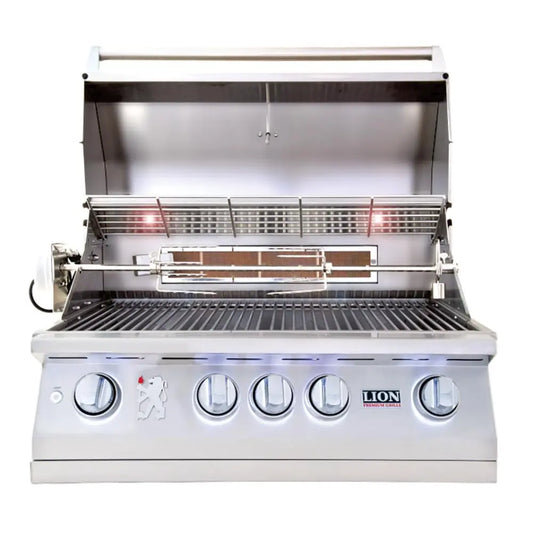
For a budget grill enclosure, pressure-treated lumber with strategic use of fire-resistant materials near heat sources offers the best value. Those investing in premium outdoor cooking stations might consider more durable materials that complement their high-end grills like the Lion Premium or Blaze Professional series.
Insulation Effectiveness Ratings: Keeping Heat In, Cold Out
Effective insulation is the key difference between a simple windbreak construction and a truly functional winter grilling space. Consider these insulation types for heat retention:
- Rigid foam insulation: High R-value, moisture-resistant, and easy to cut for custom fits.
- Reflective barriers: Aluminum-faced materials that reflect radiant heat back toward the cooking area.
- Rock wool: Non-combustible insulation ideal for areas nearest the heat source.
The insulation effectiveness ratings (R-value) indicate resistance to heat flow; higher numbers mean better insulation. For winter grilling in northern climates, aim for R-10 to R-13 in walls and potentially higher in the ceiling of your enclosure. This insulation creates a heat retention design that maintains comfortable cooking temperatures even when outdoor thermometers plunge.
Safe Enclosure Design: Ventilation and Fire Safety
Safety must be your top priority when designing any structure housing an active heat source. A proper ventilation calculation ensures your enclosure releases excess heat and smoke while preventing dangerous gas buildup.
- Plan for a minimum of 20 square inches of ventilation per 10,000 BTUs your grill produces.
- Include both low and high vents to create natural airflow.
- Consider an adjustable vent system to regulate temperatures in varying weather conditions.
Proper smoke ventilation isn't just about comfort—it's essential for safety. If you're using a charcoal or pellet smoker like those from Weber's lineup, additional ventilation may be necessary compared to gas models. Always maintain manufacturer-recommended clearance requirements between your grill and any enclosure components.
Weatherproofing Techniques for a Snow-Resistant Structure
Your winter BBQ shelter must withstand snow, ice, and driving rain to be truly functional. Implement these weatherproofing techniques:
- Sloped roof design with at least a 15-degree angle to shed snow.
- Weather-stripping around doors and openings.
- Water-resistant sealants on all exterior joints.
- Raised foundation or moisture barrier beneath the structure.
Consider incorporating modular components that allow for customization as weather conditions change. A portable grill shelter design with removable panels offers flexibility for year-round use, transforming from a winter enclosure to an open-air summer cooking space.
Wind Protection Designs for Extreme Weather
Strong winter winds can drastically reduce your grill's efficiency and make cooking uncomfortable. Effective windbreak construction should:
- Block prevailing winds while maintaining proper ventilation.
- Incorporate corner bracing for structural stability.
- Use tool-free assembly methods for sections that might need seasonal adjustment.
For grill enthusiasts using high-performance equipment like Blaze or Bull outdoor kitchens, protecting your investment from harsh elements ensures longevity and consistent cooking performance throughout the year.
Temporary vs. Permanent Enclosures: What's Right for You
When planning your project, consider whether you need a seasonal solution or a permanent addition to your outdoor space:
Temporary Enclosures:
- Often utilize tool-free assembly methods
- Can be disassembled and stored during warmer months
- Typically more affordable initial investment
- Great for renters or those with limited space
Permanent Structures:
- Offer superior durability and weather resistance
- Can incorporate multi-season grill enclosures with adjustable features
- Add value to your home as a true outdoor kitchen addition
- Provide better integration with existing landscaping
The right choice depends on your climate, budget, and how you use your outdoor cooking equipment. Many grill masters start with a temporary solution and gradually upgrade to a permanent structure as they experience the benefits of year-round grilling.
Multi-Season Grill Enclosures: Planning for Year-Round Use
The most versatile designs function well beyond winter. With thoughtful planning, your enclosure can transition seamlessly through all four seasons:
- Incorporate removable wall panels for summer ventilation.
- Install adjustable vents that can be opened wider in warmer months.
- Consider retractable awnings or roof sections.
- Plan for proper drainage during spring rains.
High-quality grills like those from Lion Premium Grills or Weber perform exceptionally well in multi-season environments when properly protected, giving you consistent cooking results regardless of external conditions.
Your winter grilling enclosure can be as simple or sophisticated as your needs require. From a basic windbreak with minimal insulation to a fully featured outdoor cooking station with heat retention systems, the choice is yours. The investment in time and materials pays dividends in extended grilling seasons and more opportunities to enjoy your outdoor cooking passion.
Ready to start your winter grilling project or upgrade your outdoor cooking equipment? Browse our selection of premium grills designed to perform in all weather conditions at Mathews BBQ Supply and make this winter your most delicious grilling season yet.