How to Cook a Reverse-Seared Steak in Winter Weather: The Complete Guide
Share
How to Cook a Reverse-Seared Steak in Winter Weather: The Complete Guide
The reverse sear method has revolutionized how grilling enthusiasts prepare steaks, delivering restaurant-quality results with remarkable consistency. But what happens when winter arrives? Cold temperatures present unique winter cooking challenges that can impact everything from fuel consumption to cooking times. This guide will walk you through mastering the reverse sear winter method, ensuring your holiday entertaining features perfectly cooked steaks regardless of the thermometer reading.
Understanding the Reverse Sear Winter Method
The reverse sear technique flips traditional steak cooking on its head. Rather than searing first and then finishing in an oven, you slowly bring the meat to temperature before applying a final high-heat sear. This approach allows for incredible temperature control throughout the cooking process, resulting in edge-to-edge doneness with a beautiful crust. When adapting this method for winter conditions, we need specific adjustments to compensate for heat loss and changing environmental factors.
Premium Cut Preparation for Cold Weather Success
Proper meat preparation begins with steak selection. For reverse searing, especially in winter, thick cuts perform best:
- Ribeye (1.5-2 inches thick)
- New York Strip (1.5-2 inches thick)
- Porterhouse or T-Bone (1.5+ inches thick)
- Filet Mignon (2+ inches thick)
These premium cuts provide enough mass to withstand the extended cooking process without overcooking. For optimal results, bring your steak to room temperature for 30-45 minutes before cooking, which reduces the impact of cold weather on cooking times. Apply seasoning methods appropriate for reverse searing—kosher salt applied 40 minutes before cooking allows time for the salt to penetrate the meat, while freshly cracked pepper can be applied just before the slow-cooking phase begins.
Temperature Adjustments for Cold Weather
Winter conditions demand modifications to your standard grilling approach. The key cold weather adjustments include:
- Increasing preheat times by 10-15 minutes
- Setting your initial temperature 25°F higher than normal to compensate for heat loss
- Positioning your grill in a wind-protected area
- Keeping the lid closed as much as possible to maintain temperature
High-quality grills like Weber Summit series or Bull BBQ Angus models offer superior insulation and consistent heat regulation, making them ideal for winter reverse searing. Their thick, double-walled construction minimizes the effects of cold external temperatures on the cooking chamber.
Perfect Steak Temperature Guide for Winter Reverse Sear
Internal temperature monitoring becomes even more crucial during cold weather grilling. For reverse searing, you'll need:
- A reliable digital meat thermometer (preferably wireless)
- Understanding of target temperatures for the initial phase
- Knowledge of final desired doneness
For the initial slow-cooking phase, maintain your grill or smoker between 225-250°F. In winter conditions, aim for the higher end of this range to account for temperature fluctuations. Pull the steak from this initial phase when it reaches internal temperatures about 15°F below your final target:
- Rare: Remove at 110-115°F
- Medium-Rare: Remove at 120-125°F
- Medium: Remove at 130-135°F
- Medium-Well: Remove at 140-145°F
After the searing phase, the temperature will rise an additional 5-10°F during the resting process winter requires.
Preheat Strategies and Searing Zone Preparation
Winter grilling demands extra attention to preheat requirements. Plan for:
- 50% more fuel consumption than summer grilling
- Extended preheat times of 20-30 minutes
- Creating a two-zone setup with direct and indirect heat areas
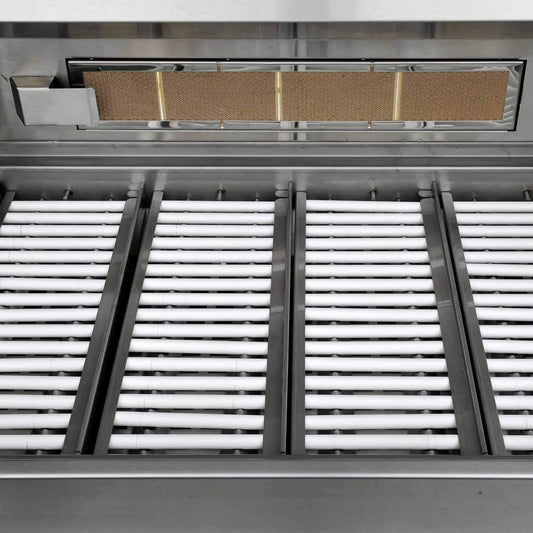
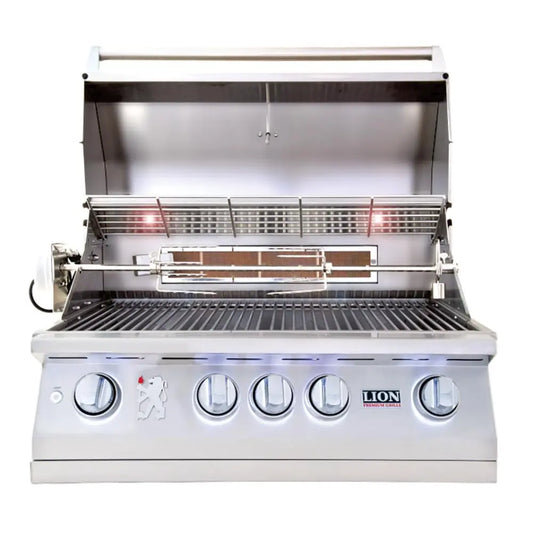
For gas grills like Lion Premium Grills or Blaze models, the infrared searing stations are invaluable for winter reverse searing. These dedicated burners reach searing temperature (500-700°F) quickly and maintain it even in cold conditions, creating the perfect crust without overcooking the interior.
For charcoal enthusiasts, weather compensation means adding 25-30% more lit coals than you would in warmer months. Arrange them for a proper two-zone fire, with coals banked to one side for the initial slow cook, then spread evenly for the final sear.
Cooking Time Adjustments for Winter Conditions
Cold weather inevitably extends cooking durations. When reverse searing in winter:
- Add approximately 15-20% to your usual cooking time
- Allow 45-60 minutes for the initial low-temperature phase (depending on thickness and starting temperature)
- Plan for 1-2 minutes per side for the high-heat searing phase
Temperature maintenance is crucial throughout the process. Keep your grill lid closed between temperature checks, and minimize opening time when checking doneness. Using wireless thermometers available at Mathews BBQ Supply allows you to monitor progress without heat loss.
Temperature Monitoring Importance in Winter Grilling
The key to reverse sear success, especially in winter, lies in accurate temperature monitoring at multiple points:
- Grill or smoker ambient temperature
- Internal meat temperature
- Searing zone temperature
Digital thermometer systems with multiple probes allow you to track all these variables simultaneously. This level of temperature control ensures you can make quick adjustments when cold weather causes unexpected fluctuations.
The Final Steps: Resting and Serving Techniques
After completing both the slow-cooking and searing phases, proper resting techniques are essential:
- Rest steaks in a warm (not hot) location for 5-10 minutes
- Loosely tent with foil to prevent excessive cooling
- Consider resting on a warm plate rather than a cold surface
For winter serving techniques, pre-warm your serving plates and consider adding a compound butter that will melt over the hot steak. This not only enhances flavor but helps maintain the steak's temperature when serving outdoors or in cooler dining areas.
Winter Reverse Sear: Equipment That Makes the Difference
Quality equipment dramatically improves winter grilling success. Consider these features when selecting your winter grilling setup:
- Insulated grill hoods that retain heat
- High-BTU burners that recover quickly after opening
- Heavy-gauge stainless steel construction that resists temperature fluctuation
- Dedicated searing zones or infrared burners
Premium models from Weber, Bull BBQ, and Lion available at Mathews BBQ Supply offer these features, making them ideal investments for year-round grilling excellence.
The reverse sear method, when properly adapted for winter conditions, delivers steaks with a perfect crust and edge-to-edge doneness that will impress even the most discerning holiday guests. With proper equipment, temperature control, and timing adjustments, cold weather becomes just another variable you can master in your outdoor cooking journey.
Ready to elevate your winter grilling game with equipment designed to perform in any season? Explore our selection of professional-grade grills and accessories at Mathews BBQ Supply and discover why serious grill masters trust our products year-round.