How to Maintain Proper Grill Temperature in Cold November Weather
Share
How to Maintain Proper Grill Temperature in Cold November Weather
As November brings chilly temperatures across much of the United States, dedicated grill enthusiasts face new challenges in maintaining consistent cooking temperatures. Cold air, wind, and precipitation can dramatically affect your grill's performance, leading to longer cooking times, increased fuel consumption, and potentially disappointing results. At Mathews BBQ Supply, we understand these seasonal challenges and have compiled expert advice to help you maintain perfect temperatures for delicious results, no matter how cold it gets.
Optimal Grill Positioning Winter
Before firing up your grill in cold weather, strategic placement becomes crucial for temperature control. Position your grill in a location that provides natural shelter from prevailing winds while maintaining safe distance from structures. The ideal spot minimizes exposure to gusts that can rapidly cool your cooking surface. For those using Bull BBQ or Blaze built-in grills within outdoor kitchen islands, you already have an advantage with the surrounding structure providing some wind protection.
Remember that proper positioning also means never grilling in enclosed spaces like garages or under combustible overhangs, even in cold weather. Safety remains the priority, so maintain proper ventilation while finding spots that offer natural wind barriers for grills.
Windbreak Construction and Insulation Techniques
When natural windbreaks aren't sufficient, creating temporary wind barriers for grills can dramatically improve temperature stability. Portable windscreens positioned strategically around your grill (never directly against it) can block cold gusts while allowing for proper ventilation.
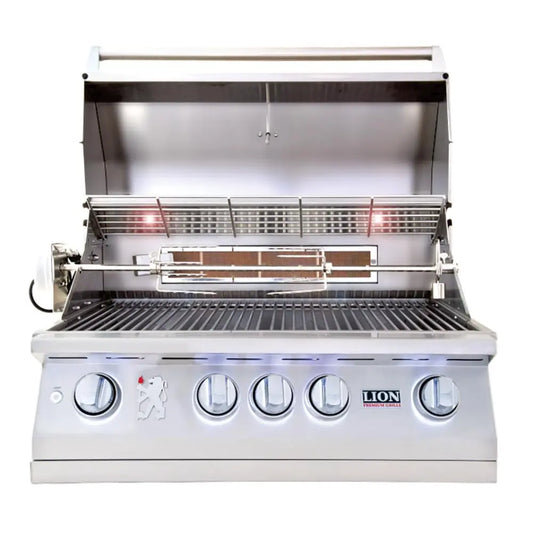
Insulation becomes your next defense against temperature loss. Insulated grill covers designed for cold-weather use can help maintain heat when the grill is closed between temperature checks. For premium grills like Weber Summit or Lion Premium models, thermal blankets for grills are available that wrap around the cooking chamber while still allowing safe operation. These specialized covers enhance heat retention techniques without compromising safety.
Ceramic Grill Advantages Winter
Ceramic grills like kamado-style cookers deserve special mention for winter cooking. Their thick ceramic walls provide superior insulation that maintains remarkably stable temperatures even in frigid conditions. The exceptional heat retention of these grills makes them particularly effective at minimizing temperature fluctuations during cold weather, though they still benefit from proper preheating and positioning.
Winter Preheating Times and Cold Weather Startup
Proper preheating becomes even more critical during cold weather grilling. Plan to extend your preheating times by 50-100% compared to summer cooking. This additional time allows your cooking surfaces to reach and stabilize at target temperatures despite heat loss to the cold environment.
For gas grills, cold weather startup procedures should include checking that propane tanks are full, as gas pressure decreases in cold temperatures, potentially affecting BTU output. Premium gas grills with higher BTU ratings like those from Bull BBQ and Blaze perform better in winter due to their gas grill BTU efficiency and ability to generate excess heat to compensate for increased heat loss.
Winter Charcoal Lighting Methods
For charcoal enthusiasts, your lighting approach needs adaptation for winter cooking. Chimney starters become especially valuable for efficient ignition. Once lit, consider specialized charcoal arrangement cold weather techniques: building a slightly larger fire than normal and positioning coals to maximize heat concentration under cooking surfaces.
The key is creating additional thermal energy to offset the constant cooling effect of winter air. With proper arrangement, you'll achieve better dome temperature vs grate temperature consistency, ensuring food cooks properly despite external conditions.
Fuel Consumption Winter Grilling
Expect increased fuel usage during cold weather cooking sessions. Gas grills will consume more propane, charcoal fires will burn through fuel faster, and pellet grills will see higher pellet consumption winter rates. This increased consumption is normal as your grill works harder to maintain cooking temperatures against the constant cooling effect of cold air.
Pellet Hopper Management
For pellet grill owners, proper pellet hopper management becomes essential for uninterrupted cooking. Keep hoppers filled with dry pellets, as moisture can cause pellets to expand and jam feeding mechanisms. Consider storing pellets in sealed containers and only filling the hopper immediately before cooking to prevent moisture absorption. This approach improves fuel efficiency winter performance while ensuring consistent auger operation.
Monitoring Temperature Fluctuations
Accurate temperature monitoring is critical during winter grilling. Digital thermometer accuracy cold conditions can sometimes be compromised, so invest in quality instruments specifically rated for outdoor use across wide temperature ranges. Dual-probe thermometers allow simultaneous monitoring of both ambient grill temperature and internal food temperature, providing complete information for perfect results.
Temperature loss prevention requires vigilance. Minimize lid opening to quick, essential checks, as each opening allows significant heat escape. When using Weber, Lion Premium, or other high-performance grills with built-in thermometers, remember that dome temperature vs grate temperature can vary significantly, particularly in cold weather.
Maintaining Smoke Production Cold Weather
For smoking enthusiasts, cold temperatures present challenges in maintaining consistent smoke production. The principles of heat deflection become important as you arrange heat sources and smoking woods to maximize smoke generation despite temperature challenges. Position smoking woods closer to heat sources than you might in warmer conditions, and consider pre-warming chunks or chips for more immediate smoke production.
Gas vs Charcoal Winter Performance
Different fuel types respond differently to winter conditions. Gas grills offer convenience with instant heat and precise temperature control but may struggle more with heat retention in extreme cold. Charcoal grills typically provide better insulation and heat retention but require more skill to maintain consistent temperatures.
Premium multi-fuel grills available at Mathews BBQ Supply give you flexibility to choose the best fuel for specific weather conditions and cooking needs, allowing adaptation as conditions change.
Equipment Recommendations for Winter Grilling
- High-BTU gas grills with superior insulation
- Thermal grill covers and blankets specifically designed for your model
- Reliable dual-probe digital thermometers
- Windbreak panels that can be positioned around cooking areas
- Ceramic grills for superior heat retention in extreme conditions
Cold weather shouldn't keep dedicated grill masters indoors. With these techniques for temperature maintenance and the right equipment from Mathews BBQ Supply, you can enjoy perfect grilling results year-round. The distinctive flavor of grilled foods becomes even more rewarding when mastered in challenging conditions.
Ready to upgrade your winter grilling game? Browse our selection of premium grills engineered for performance in all seasons at Mathews BBQ Supply. Our experts can help you select equipment specifically designed to overcome seasonal challenges.