How to Properly Clean and Store Grilling Equipment for Winter
Share
How to Properly Clean and Store Grilling Equipment for Winter
As the leaves fall and temperatures drop, grilling enthusiasts face the inevitable end of the primary outdoor cooking season. Properly winterizing your grill isn't just about cleanliness—it's about protecting your investment. At Mathews BBQ Supply, we've seen how proper seasonal maintenance extends the life of premium grills from brands like Lion, Bull BBQ, and Weber. This comprehensive guide will walk you through the essential steps of cleaning and storing your grilling equipment for winter.
End-of-Season Maintenance Checklist
Before tucking away your grill for the winter, a thorough cleaning is essential. Deep cleaning grills removes accumulated food particles, grease, and other debris that can attract pests or cause corrosion during storage. Begin with this systematic approach:
- Allow your grill to cool completely before cleaning
- Remove all removable parts (grates, burners, heat deflectors)
- Scrape away visible food residue
- Empty and clean the grease trap
- Inspect for signs of wear or damage
Different grill types require specific attention. For gas grills, ensure propane lines are clear of obstructions. For charcoal grills, remove all ash. Pellet grill owners should remove and store unused wood pellets in a dry location to prevent moisture absorption.
Cleaning Tools for BBQ and Grill Brush Techniques
Having the right tools makes all the difference when removing grease buildup and stubborn residue. A quality grill brush is your primary tool—brass bristles work well for stainless steel without scratching, while sturdier steel brushes handle cast iron grates effectively. When employing grill brush techniques, always brush in the direction of the grate bars to remove carbon deposits more efficiently.
For stubborn buildup, a scraper tool can help with removing carbon deposits from grate corners and edges. A nylon scouring pad works well for exterior surfaces without scratching, while specialized degreasers break down persistent grease in hard-to-reach areas.
Material-Specific Cleaning Guidelines
Stainless Steel Cleaning
Premium stainless steel grills, like our Bull BBQ models, require special attention. Clean with the grain using mild soap and warm water. Avoid abrasive cleaners that can scratch the surface. For extra shine, apply a small amount of olive oil with a soft cloth after cleaning—this also creates a protective barrier against moisture during winter storage.
Cast Iron Maintenance
Cast iron grates provide superior heat retention but require specific maintenance. After scrubbing away food residue, thoroughly dry the grates to prevent rust. Then apply a thin layer of cooking oil to maintain seasoning. This cast iron maintenance step is crucial for preventing rust during the off-season.
Porcelain Grate Care
Porcelain grate care requires gentler handling to prevent chipping. Use a nylon brush rather than metal to clean porcelain-coated surfaces. For stubborn residue, soak in warm, soapy water before gently scrubbing. Always dry thoroughly after cleaning to prevent moisture damage during storage.
Chrome Grate Maintenance
Chrome grate maintenance focuses on preventing tarnish and corrosion. Clean with mild dish soap and warm water, avoiding harsh chemicals that can damage the finish. A paste of baking soda and water works well for stubborn stains. After cleaning, apply a light coating of cooking oil to protect the surface during storage.
Burner Inspection and Protecting Electronic Components
Thorough burner inspection is essential before winter storage. Remove the burners if possible and clear any blockages in the gas ports using a paperclip or small wire brush. Check for cracks or excessive corrosion that might compromise performance or safety.
Modern grills often feature electronic ignition systems and digital temperature controls. Protecting electronic components from winter moisture is critical. When possible, remove batteries from igniters to prevent corrosion. For built-in components, ensure they're thoroughly dry before covering the grill, and consider using silica gel packets near electronic areas to absorb ambient moisture.
Winter Grill Storage Options: Indoor vs Outdoor Storage
The ideal winter storage location depends on your climate and available space. Indoor storage in a garage, shed, or basement offers the best protection from elements. If indoor storage isn't an option, proper covering and positioning become even more critical.
When choosing between indoor vs outdoor storage, consider these factors:
- Temperature fluctuations
- Exposure to precipitation
- Humidity levels
- Protection from wind
- Security concerns
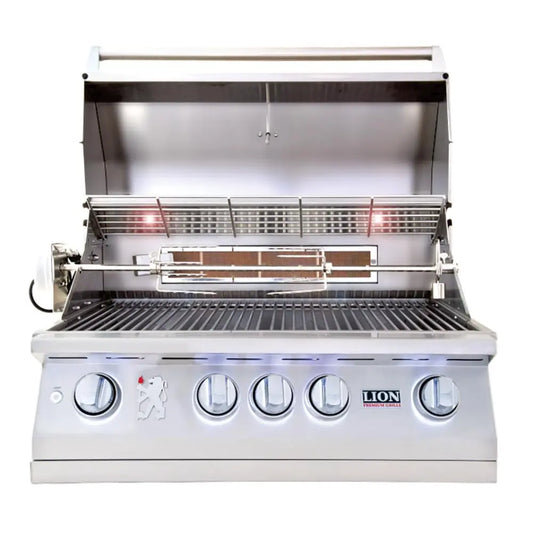
For premium built-in outdoor kitchens featuring brands like Lion Premium Grills, weather-resistant storage considerations include proper drainage around the installation and appropriate covering of individual components.
Grill Cover Selection and Moisture-Resistant Covers
Proper grill cover selection is your grill's first line of defense against winter elements. Look for these features in quality moisture-resistant covers:
- Water-resistant or waterproof material
- UV protection to prevent sun damage
- Ventilation to prevent moisture buildup
- Secure fastening mechanisms to prevent wind removal
- Proper fit for your specific grill model
At Mathews BBQ Supply, we offer custom-fitted covers for all our premium grill brands, ensuring optimal protection during the off-season.
Rust Prevention Techniques and Preparing for Spring Grilling
Moisture is metal's greatest enemy during winter storage. Effective rust prevention techniques include:
- Thoroughly drying all metal surfaces before storage
- Applying food-safe oil to cast iron and carbon steel components
- Using silica gel packets inside the grill to absorb ambient moisture
- Ensuring proper ventilation under covers
- Periodic winter checks, especially after extreme weather
Safe Propane Storage and Disconnecting Propane Tanks
Safety should always be your priority when disconnecting propane tanks for winter. Never store propane tanks indoors. Instead, place them upright in a well-ventilated outdoor location away from direct sunlight and heat sources. Ensure the valve is completely closed and consider using a propane tank cover for additional protection.
Storing Wood Pellets and Ceramic Grill Winterization
Proper storing of wood pellets is essential for pellet grill owners. Store unused pellets in airtight containers in a cool, dry place. Humidity causes pellets to expand and disintegrate, rendering them unusable.
Ceramic grill winterization for kamado-style cookers requires special attention to prevent cracking from freeze-thaw cycles. Clean thoroughly, ensure completely dry, and use a dedicated cover designed for ceramic grills. Some owners use lightbulbs or dehumidifiers inside to maintain constant low heat during extreme cold.
Preparing Smokers for Storage
When preparing smokers for storage, remove all ash and creosote buildup from smoking chambers. For offset smokers, leave dampers slightly open to allow air circulation and prevent moisture buildup. Apply food-grade mineral oil to internal metal surfaces to create a protective barrier against rust.
With proper cleaning and storage, your premium grilling equipment will remain in excellent condition, ready for the first cookout of spring. These steps not only protect your investment in quality outdoor cooking equipment but also ensure safer, more efficient performance when grilling season returns.
Ready to upgrade your grilling setup or need quality maintenance supplies for winterization? Explore our selection of premium grills, smokers, and accessories at Mathews BBQ Supply, where we help you make every outdoor cooking experience exceptional.