How to Smoke a Brisket for Beginners in Cold Weather: Complete Guide
Share
How to Smoke a Brisket for Beginners in Cold Weather
Smoking a brisket is already an art form that requires patience and skill, but when winter temperatures drop, even experienced pitmasters face new challenges. The good news? With the right equipment and techniques, you can achieve mouthwatering results regardless of the weather. This guide walks beginners through the essential steps of smoking brisket in cold conditions, helping you create tender, flavorful results even when the mercury dips.
Cold Weather Smoking Adjustments: The Basics
Winter smoking requires understanding how cold temperatures affect your equipment. When outdoor temperatures drop, your smoker works harder to maintain cooking temperatures, leading to increased fuel consumption winter rates. A quality smoker like the Weber Smokey Mountain or a Blaze pellet grill from our collection provides better heat retention and temperature stability essential for cold-weather cooking.
The key to success lies in moisture control and implementing proper winter smoking techniques. In cold weather, the dry winter air can pull moisture from your brisket faster, while simultaneously making it harder to maintain consistent cooking temperatures. A good digital thermometer becomes your most valuable tool for monitoring both the internal temperature of your meat and the ambient temperature of your smoker.
Brisket Preparation Steps for Cold Weather Success
Starting with the right cut is fundamental. When considering brisket cut selection, look for a whole packer that includes both the flat and point sections. The prime vs choice brisket debate often arises, but for beginners in cold weather, choice grade offers good marbling at a more accessible price point, though prime will deliver superior results if budget allows.
Fat cap trimming is crucial in winter smoking. Leave approximately 1/4 inch of fat on top to protect and baste the meat during the long cooking process. This fat layer acts as insulation against the cold and helps maintain moisture throughout cooking.
Seasoning for Beginners: Keep It Simple
For beginners, a straightforward brisket rub recipe works best:
- 1/4 cup kosher salt
- 1/4 cup coarse black pepper
- 2 tablespoons garlic powder
- 2 tablespoons onion powder
Apply the rub generously to all sides of your trimmed brisket. For best results, season your brisket and let it rest in the refrigerator overnight before smoking. This allows the salt to penetrate the meat, enhancing flavor development and promoting better smoke ring formation during cooking.
Temperature Control Winter: Setting Up Your Smoker
Charcoal vs Pellets Winter Performance
When it comes to fuel choices for winter smoking, both charcoal and pellet smokers have advantages. Charcoal smokers like the Weber Smokey Mountain provide intense heat but require more attention to maintain temperature. Pellet smokers from brands like Bull BBQ offer excellent temperature stability with minimal intervention, though you'll notice increased pellet consumption cold weather is a reality you'll need to plan for.
Regardless of your smoker type, preheat thoroughly—allow at least 30-45 minutes in cold weather, which is double the summer preparation time. Position your smoker in a location protected from wind, as wind chill can dramatically affect temperature stability.
Heat Retention Techniques for Winter Smoking
Consider these essential heat retention methods:
- Use a thermal blanket designed for your smoker model
- Position wind barriers (if safe to do so)
- Pre-warm water pans before adding to the smoker
- Keep the lid closed—resist frequent peeking
Wood Selection for Brisket in Cold Weather
Proper smoking wood selection becomes even more important in winter conditions. Oak provides a reliable base flavor, while hickory offers a stronger profile. For beginners, a mix of oak with a small amount of cherry wood creates a balanced flavor and helps develop a beautiful smoke ring. Avoid softer woods like pine that can impart resinous flavors.
In colder temperatures, wood burns differently. You may need to add wood chunks more frequently as the cold air can reduce smoldering time. When using a pellet smoker, stock up on extra pellets, as fuel efficiency decreases in cold weather.
Smoking Times Winter: Patience is Key
Expect longer cooking times when smoking in cold weather—often 1.5-2 hours per pound versus the usual 1-1.5 hours per pound in warmer conditions. A 12-pound brisket might take 18-24 hours in winter conditions, so plan accordingly. This makes overnight cooking a practical approach for larger cuts.
Managing the Stall During Winter Smoking
The brisket temperature stall—when the internal temperature plateaus around 150-170°F as moisture evaporates from the meat—can be more pronounced in cold, dry winter air. This is where patience becomes essential. Resist the urge to increase temperature, which can dry out your brisket.
When to Wrap Brisket in Cold Weather
Wrapping brisket becomes especially helpful during winter smoking. Once your brisket reaches internal temperature of around 165°F and has developed good bark formation, consider wrapping it in butcher paper or foil. This technique helps push through the stall and retains heat and moisture. Butcher paper allows continued smoke penetration and bark development, while foil provides maximum moisture retention but might soften the bark.
Checking for Doneness in Winter Conditions
Your brisket is done when it reaches an internal temperature of 200-205°F, but temperature alone isn't the only indicator. The probe should slide into the meat with minimal resistance, similar to inserting it into warm butter. In winter conditions, let the meat rest at this temperature for 30 minutes before removing from the smoker to ensure all connective tissues have properly broken down.
Resting brisket is non-negotiable—allow at least 1-2 hours in an insulated cooler wrapped in towels. This resting period allows juices to redistribute throughout the meat and makes slicing against grain much easier, resulting in tender servings.
Final Tips for Winter Brisket Success
- Start earlier than you think you need to
- Have extra fuel on hand
- Use a reliable wireless thermometer to monitor temperatures
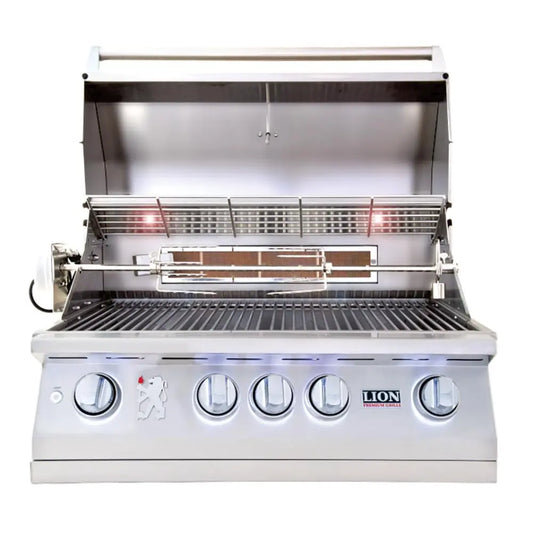
- Consider using a high-quality smoker like those from Lion Premium Grills that offer superior insulation
- Plan for at least 20% more cooking time than in warm weather
Smoking brisket in cold weather presents unique challenges, but the rewards are worth the extra effort. With proper preparation, equipment, and techniques, you'll be serving impressive brisket at your winter gatherings that rivals any summer barbecue.
Ready to elevate your winter smoking game? Explore our selection of premium smokers, grills, and accessories designed to perform in all weather conditions at Mathews BBQ Supply. Our experts can help you select the perfect equipment for your cold-weather cooking adventures.