What are the Best Woods for Cold Weather Smoking? Winter BBQ Guide
Share
What are the Best Woods for Cold Weather Smoking?
When temperatures drop, the art of smoking meat undergoes subtle but important changes. Cold weather affects how wood burns, impacts smoke production, and ultimately influences the flavor of your barbecue. At Mathews BBQ Supply, we understand that winter smoking requires specific knowledge about wood selection and preparation to achieve those perfect smoky results, even when the mercury plummets.
Winter Smoking Wood Selection: Understanding the Fundamentals
Cold weather smoking presents unique challenges that demand careful consideration of your smoking wood choices. As temperatures drop, wood combustion dynamics change significantly, affecting smoke quality and heat maintenance. Regional wood varieties that perform excellently in summer might not deliver the same results during winter months.
For consistent cold weather performance, dense hardwoods like oak, hickory, and maple generally outperform lighter woods. These hardwoods maintain higher combustion temperatures and produce more consistent smoke in challenging winter conditions. When using premium smokers like the Weber Smokey Mountain or pellet grills available at Mathews BBQ Supply, proper wood selection becomes even more crucial for temperature stability.
Moisture Content Importance in Winter Smoking
Smoking wood moisture content plays a pivotal role in winter smoking success. While slightly damp wood might work fine in summer, winter demands properly seasoned wood with 15-20% moisture content for optimal performance. Excessively dry wood burns too quickly in cold weather smokers, while overly wet wood struggles to maintain combustion temperatures.
The humidity effects of winter air also impact how your wood performs. In drier winter climates, wood can lose moisture more rapidly during storage. Conversely, in humid winter environments, exposed wood can absorb unwanted moisture. This delicate balance affects smoke production and ultimately determines whether you'll achieve that perfect smoke ring development in your winter barbecue.
Hardwood Winter Performance: Top Choices for Cold Weather
When temperatures drop, not all smoking woods perform equally. Through extensive testing, we've identified several standout performers for winter BBQ sessions:
- Oak: With its moderate resin content and excellent density, oak provides reliable heat output and steady smoke production in cold environments.
- Hickory: A classic choice that burns hot and long, hickory maintains consistent temperature even against winter chills.
- Maple: Offers balanced smoke with subtle sweetness and excellent cold-weather combustion properties.
- Mesquite: While intense in flavor, its high heat output makes it valuable for winter smoking when used sparingly.
For a more nuanced hardwood comparison, consider that fruit woods like apple and cherry, while excellent for their flavor profiles, sometimes struggle to maintain combustion temperatures in extremely cold conditions. When using premium equipment like Bull BBQ smokers, these hardwood characteristics become even more pronounced.
Chunk vs Chip Cold Weather Performance
Wood chunk size significantly impacts winter smoking performance. Larger chunks provide extended burn times and more consistent heat output—critical factors when fighting against cold ambient temperatures. While chips ignite easily and produce immediate smoke, they burn through quickly and require frequent replenishment in winter conditions.
For cold weather smoking, we recommend:
- Using chunks (2-3 inches) for longer smokes above 25°F
- Mixing larger chunks with some smaller pieces for balanced smoke production
- Considering bark inclusion for enhanced aromatics—the natural bark on quality smoking chunks provides complex flavor compounds
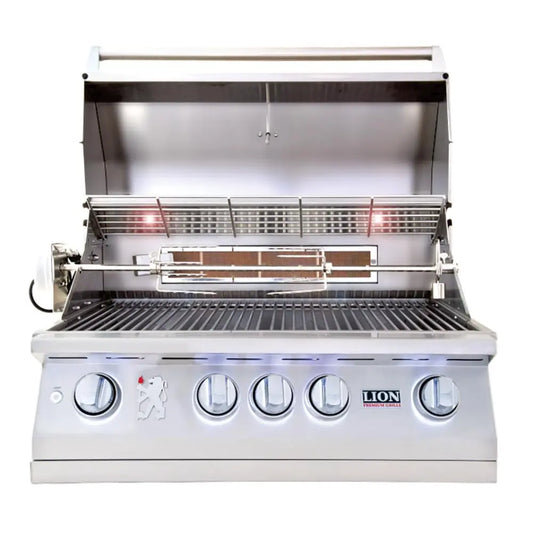
Many of our Blaze and Lion Premium Grill customers report excellent results using larger wood chunks in their winter smoking sessions, especially when maintaining low and slow temperatures.
Ignition Techniques Winter: Getting Perfect Smoke in Cold Weather
Cold temperatures present unique challenges for proper wood ignition. Successful winter smoking often depends on your ignition approach, especially when using offset smokers or charcoal units with wood supplements.
Effective ignition techniques for winter include:
- Pre-warming wood near your heat source for 5-10 minutes before adding it to the firebox
- Using a chimney starter to establish strong initial combustion
- Creating a small, hot fire first before adding larger smoking chunks
- Maintaining smaller, hotter fires rather than large, oxygen-starved ones
These approaches ensure proper smoke production without the bitter compounds often created when wood smolders instead of burns cleanly. The flavor intensity of your final product depends significantly on achieving this clean combustion, regardless of the wood variety used.
Optimal Wood Storage and Wood Preparation Winter
Proper wood storage methods are crucial for winter smoking success. Exposure to snow, rain, or excessive humidity can compromise wood quality and performance. We recommend storing smoking woods in a dry, sheltered area while maintaining some airflow to prevent mold development.
For optimal winter preparation:
- Store wood elevated from ground contact to prevent moisture absorption
- Use covered storage that still allows some air circulation
- Bring smoking wood indoors 24-48 hours before use to stabilize temperature and moisture
- Consider splitting larger chunks to expose dry interior surfaces when needed
Many of our customers using premium outdoor kitchen setups include dedicated storage solutions for their smoking woods, ensuring year-round availability of properly conditioned smoking material.
Holiday Recipe Wood Pairings and Seasonal Availability Guide
Winter holidays call for special wood combinations and flavor profiles that complement traditional seasonal dishes. Consider these winter recipe pairings:
- Turkey: Mild fruit woods like apple or cherry with a small amount of hickory
- Ham: Maple or pecan for complementary sweetness
- Beef roasts: Oak or hickory for robust flavor that stands up to rich winter sides
- Game meats: Mesquite or oak with juniper for distinctive cold-weather flavor profiles
The seasonal availability of premium smoking woods varies by region, but most hardwoods remain accessible year-round through quality suppliers. At Mathews BBQ Supply, we maintain a diverse inventory of smoking woods specifically selected for winter performance.
For cold smoking applications where flavor profiles require subtle development over extended periods, consider milder woods like maple or fruit varieties that won't overpower delicate foods during long exposure times.
Conclusion: Mastering Winter Smoking
Cold weather smoking requires adjustments to wood selection, preparation, and fire management techniques—but the rewards are worth the effort. By understanding how moisture content, wood size, and storage affect performance, you'll be equipped to create outstanding smoked foods regardless of outside temperatures.
The premium smokers and grills available at Mathews BBQ Supply are designed to perform in all seasons, but even the best equipment benefits from properly selected and prepared smoking woods. Whether you're using a high-end pellet smoker or a traditional offset model, these winter wood strategies will elevate your cold-weather BBQ results.
Ready to enhance your winter smoking experience with premium equipment and the perfect smoking woods? Visit Mathews BBQ Supply today to explore our complete selection of grills, smokers, and BBQ accessories designed for year-round outdoor cooking excellence.