What's the Difference Between Premium and Budget Gas Grills for Year-Round Use?
Share
What's the Difference Between Premium and Budget Gas Grills for Year-Round Use?
As the holiday season approaches and Black Friday deals tempt grill enthusiasts nationwide, many homeowners face a crucial decision: invest in a premium gas grill that promises years of service or opt for a budget-friendly model that meets immediate needs. At Mathews BBQ Supply, we regularly guide customers through this important comparison, especially for those planning to grill year-round in varying weather conditions.
This guide examines the substantial differences between premium and budget gas grills, focusing on construction quality, performance capabilities, and long-term value that impact your outdoor cooking experience throughout all seasons.
Lion Premium Grills Construction vs. Budget Alternatives
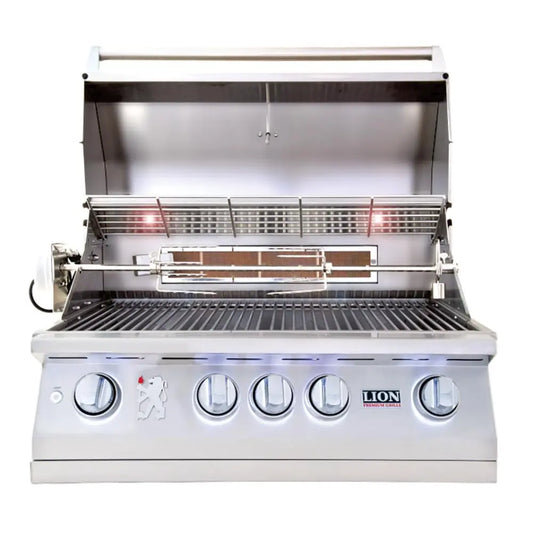
The most immediate difference between premium and budget grills becomes apparent in their construction. Lion Premium Grills exemplify excellence with commercial-grade stainless steel thickness that substantially outperforms budget alternatives. Premium grills typically feature 304-grade stainless steel with 16-18 gauge thickness, while budget models often use thinner 430-grade stainless that's more susceptible to corrosion.
This difference in material quality directly affects heat retention budget vs premium models. Premium grills maintain cooking temperatures with minimal fluctuation, even during winter grilling sessions. The superior stainless steel creates a sealed cooking environment that efficiently contains heat, reducing fuel consumption and providing consistent results regardless of outside temperatures.
Burner Material Differences and Construction Quality
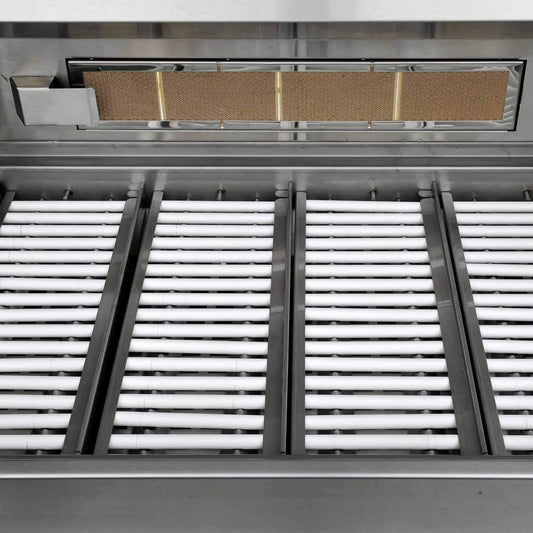
Burner construction quality represents perhaps the most critical functional difference between price categories. Premium grills feature cast stainless steel or solid brass burners designed for intense heat output and decades of performance. These materials resist corrosion and maintain structural integrity through thousands of heating cycles.
Budget grills typically contain stamped stainless steel or aluminized steel burners that deliver adequate initial performance but deteriorate faster. This distinction becomes particularly important when considering temperature range capability – premium models consistently reach higher maximum temperatures (often exceeding 700°F) while maintaining precision at lower settings for versatile cooking applications.
BTU Efficiency Rating and Performance Considerations
While budget grills often advertise impressive BTU numbers, premium grills achieve superior heat distribution comparison results with potentially lower BTU ratings. This efficiency stems from better engineering, superior materials, and more sophisticated heat distribution technology that eliminates cold spots.
Premium grills demonstrate faster temperature recovery time when opening the lid during cooking – a critical advantage during winter grilling when heat loss occurs rapidly. This performance difference becomes particularly noticeable when cooking for larger groups where the grill lid is frequently opened.
Bull BBQ Quality Features and Premium Advantages
Bull BBQ products showcase what premium investment delivers: ReliaBull heat distribution technology ensures consistent heat zones across the entire cooking surface. This uniformity eliminates the guesswork and constant rotation needed with budget grills that develop hot and cold spots.
Side burner performance also distinguishes premium models, with higher-output burners capable of properly searing foods or maintaining full boils rather than merely warming sauces. Control precision premium grills offer allows for adjustments as small as 25°F, while budget models may fluctuate by 50-75°F between settings.
Ignition System Types and Reliability
Ignition system reliability significantly impacts user experience, especially during winter months. Premium grills feature sophisticated electronic or flame-thrower ignition systems that consistently light burners with a single attempt. Many high-end models include redundant ignition systems and backup lighting methods.
Budget grill limitations become evident in their simpler ignition mechanisms that may require multiple attempts, particularly in cold or windy conditions. This seemingly minor difference becomes frustrating during regular use and may lead to propane buildup if not managed properly.
Winter Performance Factors for Year-Round Grilling
The winter performance difference between premium and budget grills becomes most pronounced during the coldest months. Premium models maintain cooking temperatures with minimal additional fuel consumption due to superior insulation and materials.
Budget grills typically struggle in sub-freezing temperatures, requiring significantly more propane and longer preheating times. Their thinner construction and less efficient burners create a less pleasant winter grilling experience with more temperature fluctuations and longer cooking times.
Warranty Period Comparison and Grill Lifespan Estimates
Warranty coverage comparison provides insight into manufacturer confidence. Premium grills typically offer warranties ranging from 10 years to lifetime on major components, while budget models rarely exceed 3-5 years of limited coverage.
This warranty disparity reflects realistic grill lifespan estimates. With proper maintenance, premium grills from brands like Lion and Bull often serve families for 15+ years, while budget models typically require replacement within 3-7 years depending on usage and environmental conditions.
The long-term durability difference becomes especially relevant for outdoor kitchens where grill replacement involves significant expense and construction. Rust resistance quality in premium models provides additional protection against the elements, particularly in coastal areas where salt air accelerates corrosion.
Heat Zone Consistency and Temperature Control Precision
Advanced heat distribution technology in premium grills creates remarkably consistent heat zones that allow simultaneous cooking of different foods requiring various temperatures. This consistency enables more sophisticated cooking techniques and better results.
Budget grill limitations include less predictable temperature patterns that require constant food rotation and monitoring. The gap in temperature control precision means premium grills can maintain specific temperatures within 5-10°F while budget models may fluctuate 25-50°F during a cooking session.
Making Your Decision: Investment vs. Initial Cost
When evaluating premium versus budget gas grills, consider your cooking style, frequency of use, and performance expectations. For occasional summer grilling, a budget model may satisfy basic needs. However, for year-round cooking, entertaining, and culinary exploration, premium grills deliver substantially better experiences and long-term value despite higher initial costs.
Rust prevention features, superior temperature recovery capabilities, and consistent performance throughout all seasons make premium grills from brands like Lion and Bull the preferred choice for serious outdoor cooking enthusiasts who want reliability regardless of weather conditions.
Ready to explore premium gas grills built for year-round performance? Visit Mathews BBQ Supply to compare top-rated models from Lion Premium Grills, Bull BBQ, and other leading manufacturers designed for exceptional cooking experiences in any season.